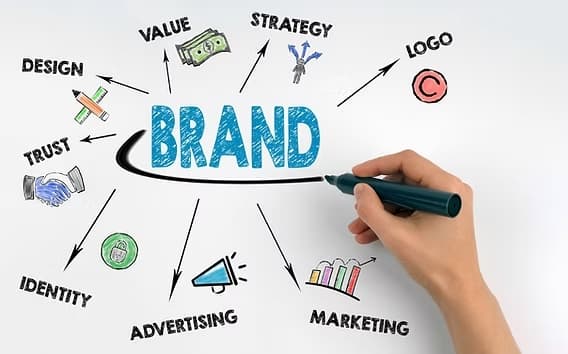
Personal branding has evolved from a marketing buzzword to a career necessity in 2026. The digital landscape grows increasingly competitive, with professionals vying for attention and credibility. Your personal brand represents how you present your expertise and unique perspective to the world. It serves as your professional reputation that builds trust, demonstrates thought leadership, and opens doors to advancement. In an era where first impressions happen through searches and social profiles, cultivating a powerful personal brand has become essential.
Why Personal Branding Matters More Than Ever
Digital platforms have fundamentally transformed professional visibility. Social media and content platforms create unprecedented access to global audiences while intensifying competition. Employers, clients, and collaborators routinely research individuals online before making decisions. Your digital footprint shapes perceptions and influences outcomes.
A well-developed personal brand functions as a valuable reputational asset. It establishes credibility, communicates expertise, and differentiates you from competitors. Strong personal brands attract opportunities rather than requiring constant pursuit.
Core Elements of a Strong Personal Brand
Building an effective personal brand requires several foundational components:
- Clear positioning and niche defines your specific expertise and target audience, avoiding the trap of appealing to everyone
- Consistent visual and verbal identity ensures recognizable presence across platforms through cohesive design and messaging
- Thought leadership content demonstrates expertise by sharing insights and perspectives that add value to your field
- Authentic communication style reflects your genuine personality rather than manufactured personas
- Strong online presence encompasses professional website, active social media profiles, and strategic platform selection
- Credibility signals include case studies, testimonials, media features, and tangible proof of expertise
These elements work synergistically to create comprehensive brand presence that resonates with target audiences.
Strategies That Actually Work in 2026
Successful personal branding requires strategic approaches that cut through digital noise. Focus on creating expert content that provides genuine value rather than superficial engagement bait. Quality analysis and original insights attract engaged audiences, positioning you as a trusted resource.
Adopt multi-platform presence strategically. Identify where your target audience congregates and maintain strong presence there. Consistency matters more than ubiquity.
Video and short-form content dominate 2026’s attention economy. Brief videos demonstrate expertise while building personal connection. Platform algorithms favor video content, amplifying reach organically.
Strategic collaborations expand reach and credibility. Guest appearances and cross-promotion introduce you to new audiences with built-in credibility.
Active participation in professional communities establishes presence and builds relationships that formal marketing cannot generate.
Monetizing Your Personal Brand
Strong personal brands create diverse revenue opportunities. Consulting services leverage your expertise to solve specific problems for clients willing to pay premium rates. Personal brands reduce client acquisition costs by attracting inbound inquiries from those familiar with your work.
Educational products including courses and workshops scale your knowledge beyond consulting constraints. Digital delivery enables global reach with minimal marginal costs.
Affiliate partnerships represent another monetization avenue. Many professionals successfully integrate partnership opportunities into their content strategy. Those building brands in digital marketing or online business might explore programs like Boomerang affiliate partnerships that align with audience interests while generating additional revenue through commission-based models.
Speaking engagements at conferences and events provide both income and brand amplification. Being selected as a speaker signals authority while exposing your expertise to concentrated audiences.
Digital products such as templates, frameworks, and guides offer scalable monetization requiring minimal ongoing effort once created.
Mistakes That Weaken Personal Brands
Several common errors undermine personal branding efforts:
- Inconsistent messaging confuses audiences and dilutes brand identity when positioning or focus shifts erratically
- Copying others instead of developing unique voice results in forgettable presence indistinguishable from competitors
- Irregular content publishing causes audience disengagement and algorithmic penalties from platforms prioritizing consistent creators
- Ignoring audience engagement wastes relationship-building opportunities and signals disinterest in community development
- Overpromotion without value erodes trust when self-promotion outweighs useful content
Avoiding these pitfalls requires self-awareness, strategic planning, and commitment to serving your audience’s interests.
Conclusion
Your personal brand represents a long-term professional asset requiring consistent cultivation. Sustainable brand building happens through systematic effort over extended periods. The strategies that work in 2026 emphasize authenticity, expertise, and genuine value creation.
Success demands flexibility to adapt as platforms evolve. However, core principles—clear positioning, consistent quality, and authentic communication—remain constant. The investment in personal branding yields compounding returns. Each piece of content accumulates into reputation that opens doors and accelerates career trajectory. In 2026’s competitive landscape, a powerful personal brand is essential for long-term success.